Understanding Polybutylene Pipes
Buying Iris Burton August 3, 2024
Buying Iris Burton August 3, 2024
When it comes to the infrastructure of a home, the plumbing system plays a crucial role in ensuring that water is delivered and removed efficiently. However, not all plumbing systems are created equal, and some can even pose significant risks if not properly maintained or replaced. One such system involves polybutylene pipes, a material once popular in residential plumbing but now known for its potential problems.
Polybutylene (PB) pipes are a type of plastic resin piping that was widely used in residential plumbing systems from the late 1970s to the mid-1990s. Known for being flexible, easy to install, and cost-effective, PB pipes were seen as a revolutionary alternative to traditional copper piping. They were commonly used for both water supply lines and exterior plumbing, such as underground water mains.
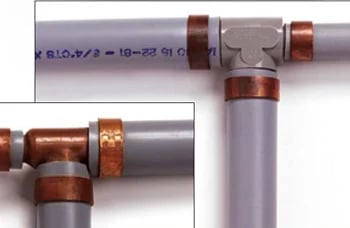
These pipes are typically gray, blue, or black and can be found in homes built or remodeled during this period. Despite their initial popularity, however, polybutylene pipes have since gained a reputation for being prone to failure, leading to significant damage and costly repairs.
The primary issue with polybutylene pipes lies in their susceptibility to degradation over time. Although the pipes themselves are durable, they can react negatively with oxidants found in public water supplies, such as chlorine. This reaction causes the pipes to become brittle, leading to microfractures that can eventually cause leaks or even catastrophic pipe bursts.
Several factors contribute to the likelihood of polybutylene pipe failure:
Water Chemistry: Certain chemicals in the water, especially chlorine, accelerate the deterioration of PB pipes.
Improper Installation: During the peak of their use, many plumbers lacked proper training on how to correctly install PB piping systems, leading to flawed installations.
Age: As with most materials, the older the pipes, the more likely they are to fail.
Over time, these issues have led to widespread recognition of the risks associated with polybutylene pipes. In fact, several class-action lawsuits in the 1990s resulted in settlements that required plumbing replacements for affected homeowners.
If you live in a home built between 1978 and 1995, it’s worth checking whether polybutylene pipes were used in your plumbing system. Here’s how you can identify them:
Color: PB pipes are typically gray, but they can also be blue or black.
Size: The pipes usually measure 1/2 inch to 1 inch in diameter.
Location: Check in areas like the basement, crawl space, or utility room. They may also be found near the water heater or connected to sinks, toilets, and other fixtures.
Labeling: Look for the code “PB2110” stamped on the pipes.
If you’re unsure, a professional plumber can inspect your home’s plumbing system to determine if polybutylene pipes are present.
If you discover that your home has polybutylene pipes, it’s essential to take proactive steps to mitigate the risks. Here’s what you should consider:
Monitor for Leaks: Regularly check for signs of leaks or water damage, particularly in areas where PB pipes are present. Small leaks can quickly escalate into significant problems.
Consider Replacement: The most effective solution is to replace polybutylene pipes with more reliable materials like PEX (cross-linked polyethylene) or copper. While this can be a costly project, it’s often necessary to avoid potential water damage and related expenses down the line.
Consult a Professional: If you’re unsure about the condition of your pipes, consult a licensed plumber who has experience with polybutylene piping systems. They can assess the risk and recommend the best course of action.
Review Your Home Insurance: Some insurance companies may deny coverage for homes with polybutylene pipes due to the high risk of failure. It’s a good idea to check your policy and consider upgrading your plumbing to maintain comprehensive coverage.
For homebuyers, discovering polybutylene pipes during an inspection can be a red flag. It’s essential to negotiate with the seller on the costs of replacement or ensure that the plumbing system is in good condition before finalizing the purchase.
For sellers, having polybutylene pipes can impact the marketability of your home. Addressing the issue before listing your property can help prevent potential deal-breakers and increase your home’s value.
Polybutylene pipes are a relic of a past era in plumbing, and while they may have served their purpose at the time, they now present significant risks to homeowners. If your home has PB pipes, it’s crucial to understand the potential problems and take steps to protect your property. Whether through regular monitoring, consulting with a professional, or opting for a complete replacement, addressing the issue early on can save you from costly and disruptive repairs in the future.
Need help navigating the real estate process? Book a free consultation now.
Stay up to date on the latest real estate trends.

Things to Do
Events, pumpkin patches, fall menus, cozy coffee, and a bucket list for every weekend from September to November

Neighborhoods
A District Built Around the Air Force Academy's Own North Gate

Neighborhoods
Homes, Schools, and Everyday Life in One of Colorado Springs' Most Active Communities

Neighborhoods
A Look at Life in One of Colorado Springs' Beautiful Master Planned Communities

Things To Do
A local's guide to the coffee shops, museums, and neighborhoods that make this a city, not just a view

Things To Do
10 real hikes for golden aspens, plus a few bonus ways to see it without the climb

Things To Do
From quick stops to full day adventures, everything you need to plan your visit

Restaurant & Food
The best spots for a slow morning in the 719

Things To Do
What the start of the school year actually feels like in Colorado Springs
A dedicated real estate professional committed to making every step of your property journey seamless and rewarding. With strong market insight, personalized strategies, and a client-focused approach, each transaction is handled with care, precision, and integrity. Whether buying, selling, or investing, you can expect clear guidance, thoughtful advice, and results that align with your goals.

Iris Burton | Living The Springs
102 S Tejon St #1100 Colorado Springs, CO 80903